Operations · ML
Catch order fraud and ad fraud within a day
24h
Order fraud and ad fraud both leave a shape in the data before they show up on the invoice. This engagement learns the normal shape, then alerts on the departure within a day rather than at month end.
The process
Join orders to traffic
Order records, payment outcomes and ad-click logs joined on a common key, so a suspicious order and the click that preceded it sit in one row.
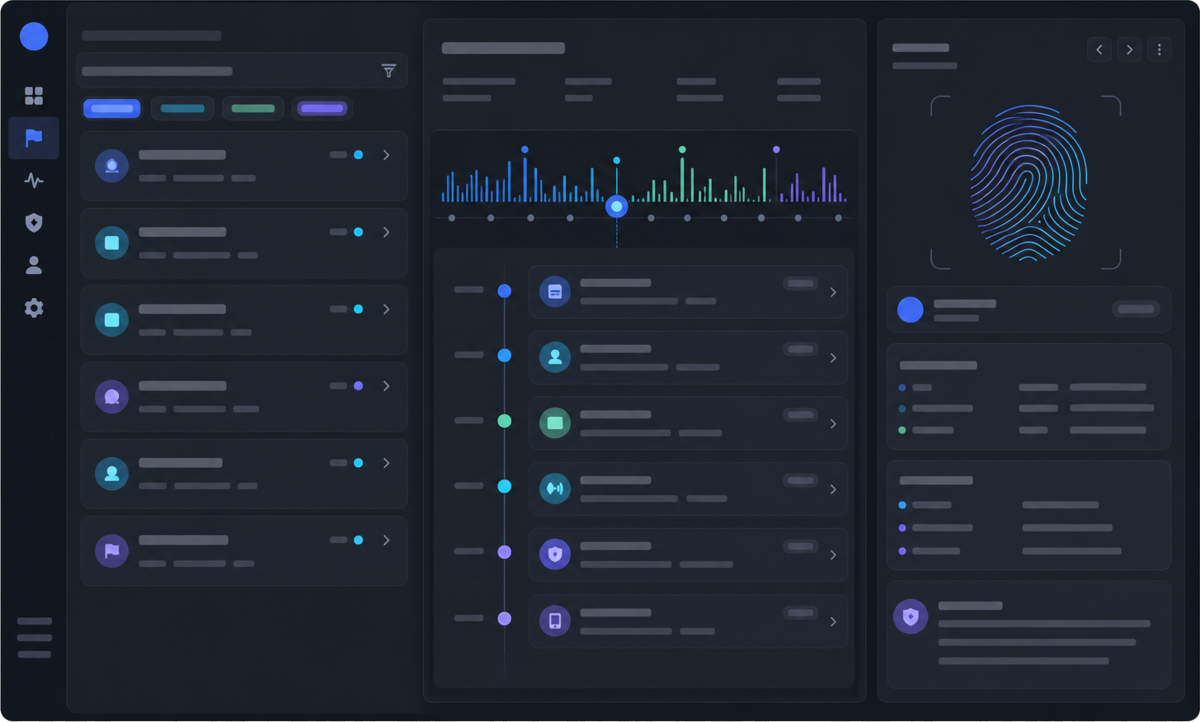
Build the behavioural fingerprint
Device, IP range, click-to-order interval, repeat-address and refund history assembled into features that survive a change of account name.
Fit the anomaly model
An unsupervised anomaly model on the clean history, with confirmed fraud cases used to calibrate the threshold where you have them.
Ship daily alerting
Scored batches run nightly into an alert with the evidence attached — the flagged orders, the matching traffic pattern, the estimated exposure.
Close the loop
Confirmed and dismissed alerts feed back as labels; precision is reviewed monthly so the queue stays worth reading.
What we need from you
- Order and payment export
- Ad-platform click and cost logs
- Any confirmed fraud cases you already hold
What you get
- Joined order-and-traffic dataset
- Anomaly model with a calibrated threshold
- Daily alert with evidence and a review loop
Timeline
Three to six weeks to first alerting.